Complete Fiscal Year 2024 data now on the Dashboard of the District of Columbia’s Child and Family Services Agency (CFSA) reveal significant changes over the previous fiscal year. Most striking is a large jump in the number of incomplete investigations and a concomitant decline in “substantiated” and “unfounded” reports. The number of children entering foster care increased for the first time in over ten years. There was a drop in in-home case openings but a similar increase in foster care placements during the year. The agency did not respond to this writer’s questions about the meaning of these trends.
Referrals
Total referrals (or calls to the CFSA hotline) have increased for the second year in a row. After falling in 2020 and remaining below 2019 levels in 2021 and 2022, the number of referrals jumped from 16,899 in FY2022 to 20,246 in FY2023 and then rose more modestly to 20,978 in 2024–an increase of 3.6 percent. Prominent child welfare scholars like Emily Putnam-Hornstein have concluded that referrals are the best available indicator of actual maltreatment due to the strong correlation between referrals and future reports (regardless of the outcome of any associated investigation) and also evidence of the difficulty of correctly determining whether maltreatment has occurred. Thus, the increase in referrals may well be a sign of increasing maltreatment. Contributing factors might be the end of COVID-19 assistance programs and the growing mental health, substance abuse, and housing crises in the District.
Childcare and school personnel continued to make more than half of the referrals to CFSA, with another 13 percent coming from law enforcement and 11 percent from friends and neighbors. All three of these groups made more referrals in FY2023 than FY2024, while counselors, therapists, social workers and medical professionals made fewer, suggesting that children may be seeing fewer of these professionals with the disappearance of virtual options spawned by the pandemic.
Looking at CFSA’s response to the referrals, the largest portion, or 73 percent, were screened out. That compares to only 19 percent that were accepted for investigation. The remaining referrals were either linked to an existing investigation (three percent) or classified as an information and referral that does not involve an allegation of abuse or neglect. These percentages are quite similar to those of the previous year.
Investigations
An investigation can have five different dispositions. According to the definitions provided in the Dashboard, unfounded means that there is not enough evidence to conclude that the child has been maltreated or at risk of being maltreated. “Substantiated” means that there is enough evidence to conclude that the child has been maltreated or is at risk of maltreatment. “Inconclusive,” means that “there is insufficient evidence to substantiate the report but there still exists some conflicting information that indicate the abuse or neglect may have occurred.” “Incomplete” means that the investigation could not be completed due to barriers like inability to locate the family, a family’s refusal of access to the home, or finding out that the family lived out of state.
There was a big jump in the number of investigations categorized as incomplete, from 525 in FY2023 to 1,442 in FY2024. That was an increase from 15% of all investigations to 38% of all investigations. As a consequence of the increase in incomplete investigations, the number and percentage of investigations that were unfounded and substantiated dropped drastically. The number of investigations that were substantiated fell from 799 (21 percent of investigations) in FY2023 to 606 (or 16 percent of investigations) in FY2024. Unfounded remained the most common disposition in FY2024, but the proportion of cases that were unfounded dropped from 58 percent to 41 percent.
CFSA’s communications director did not respond to several emails asking for an explanation of the the jump in incomplete investigations. But it seems likely that this trend stems from the workforce crisis that is affecting CFSA and other child welfare and human services agencies around the country. A spreadsheet that the agency provided to the DC Kincare Alliance shows 27 out of the 36 social workers performing investigations as of August 2024 were carrying more than the 12 to 15 cases that CFSA uses as an indicator of satisfactory performance. This included 19 social workers carrying 20 or more cases and five social workers carrying more than 30 cases. Even more concerning is that the number of social workers doing investigations fell from 42 in January 2024 to 36 in August 2024, according to the spreadsheet. More concerning still, in its FY2024 Performance Oversight Responses, CFSA documented the caseloads of 90 social workers.
If social workers are not able to complete the required interviews and collect needed information timely, endangered children may suffer further harm. It is possible that most of the incomplete investigations have been essentially concluded with a determination of findings, leaving only the completion of needed documentation and forms undone as workers hurried to start new investigations. Such a scenario might be somewhat less alarming but would still raise concerns that overburdened social workers are not able to thoroughly investigate allegations, thereby endangering vulnerable children.
In-Home Case Openings and Foster Care Placements
The table below shows the number of in-home case openings and children entering foster care by year. These two numbers cannot be added together because because in-home entries are reported at the case level (with multiple children in many cases) and foster care entries are reported at the child level. However the trends over time can be compared, showing that the number of in-home cases opened dropped between FY2023 and FY2024 while the number of children entering foster care increased. This was the first time the number of children entering foster care increased since FY2021, after the drop in foster care placement due to COVID-19.
The total number of children served in home and in foster care on the last day of every quarter are available on the CFSA Dashboard and can be added to yield the total number of children served on that date. The chart below shows that the total number of children served on the last day of the fiscal year (September 30) stayed basically the same between FY2023 and FY2024. But the number of children being served in their homes decreased by 50 while the number in foster care increased by 49. FY2024 reverses a trend of annual decreases in the number of children in foster care going back at least as far as 2011.
The increase in the number of children in foster care between September 30, 2023 to September 30, 2024 reflects an excess of entries to foster care over exits from care during FY2024. Specifically, the number of children in foster care at the end of the fiscal year should reflect the number of children in foster care at the end of FY2023, plus the number of entries to foster care during the year, minus the number of exits from foster care. While there is a discrepancy of two between the results of this calculation and the foster care caseload reported by CFSA, the numbers confirm that there were about 50 more entries than exits, so the caseload increased. A similar calculation cannot be performed for children served in their homes, as the entry data are based on cases, not children.
2023 FC Caseload
2024 FC Entries
2024 FC Exits
2024 FC Caseload
496
243
196
545
It may be reassuring that the number of children served by CFSA changed so little in FY2023. One can hope that despite the high percentage of incomplete investigations, CPS workers are doing what is necessary to find the children that need help and simply leaving some of the paperwork for later. However, such a situation is not sustainable without endangering children. And the 3.6 percent increase in the number of referrals between FY2023 and FY2024 was not met with an increase in the number of children served, which may be a result of the incomplete cases.
It is not possible to understand the FY2024 data without further information from CFSA. How alarming the increase in incomplete investigations may be depends on whether these investigations are truly incomplete or basically finished except for forms and documentation. More concerning still, CFSA caseload data indicates that there are fewer than half the number of social workers doing this work now than in previous years. It is good that the total number of children being served has not dropped precipitously along with the drop in completed investigations. But the public needs to know more about how CFSA is functioning and what it is doing to alleviate the workforce crisis
This post summarizes the results of my analysis of CFSA’s FY2023 data, compared to the data from FY2022 and previous years. Except when otherwise noted, the data is drawn from the Public Dashboard of the District of Columbia’s Child and Family Services Agency (CFSA), which provides data, updated quarterly, on the agency’s essential functions. My analysis showed a large increase in hotline calls in the last year, but a decrease in the number of investigations and substantiated claims of abuse or neglect. The foster care and in-home caseloads continued to fall, with a precipitous drop in the opening of in-home cases in particular. An important finding was the decline since 2019 in the number of in-home and foster case opened as a proportion of substantiated investigations. Taken together, the data suggest an agency that is withdrawing its core mission of responding to abuse and neglect in favor of new initiatives that are more in accord with the current ideological climate in child welfare.
There were 20,246 calls to the CFSA hotline (called “referrals” by the agency) in FY 2023. About 51 percent of the referrals came from school and daycare personnel; that share has increased to more than its pre-pandemic level of 42.9 percent in 2019. Nationally, teachers, made only 20.7 percent of referrals in FY2022. The District’s very different reporting pattern may reflect its educational neglect law, which requires teachers to make a report when a child has more than ten unexcused absences in a year.
Figure 1 shows the precipitous drop in referrals during the pandemic year of 2020, followed by an increase in FY2021, and a slight dip in FY2022. The total of 20,246 calls to the hotline in FY2023 was 20 percent above the total of 16,899 in FY2022 and even eclipsed that of the year before the pandemic. Most sources increased their reporting in FY2023, but much of the increase came from school and childcare personnel, who made 10,329 reports in FY2023 compared to 8,389 in FY2022. It is not clear why referrals increased so much in FY2023.
CFSA responded to the increase in referrals by screening out a larger percentage of these calls and accepting a smaller percentage for investigation. Out of the 20,246 referrals received in FY2023, CFSA hotline staff screened out 11,540 or 73.7 percent, compared to the 68.3 percent of referrals they screened out the year before, as shown in Figure 3. And they accepted only 19.3 percent, as compared to the 26.2 percent they accepted the year before. (Referrals not screened out or accepted were linked to an existing investigation or redirected to another agency). Hotline staff actually accepted significantly fewer referrals for investigation in FY2023 than in FY2022 despite the increase in referrals–a total of 3,902 accepted referrals in FY2023 compared to 4,429 the previous year, as FIgure 2 shows.
With fewer referrals accepted for investigation, there were naturally fewer investigations, as the height of the bars in Figure 4 shows.* The number of investigations that was substantiated (meaning the allegation of maltreatment was supported by the investigation) decreased from 861 in FY 2022 to 799 in FY2023, which was a drop of 7.2 percent. But the percentage of investigations that were substantiated did not change, remaining at about 21.5 percent of all investigations. So the decline in substantiations reflects the decline in the number of investigations initiated rather than a decreasing tendency to substantiate allegations.
Substantiated investigations can result in several outcomes, depending on the level of danger and risk to the child or children as estimated by Child Protective Services (CPS). if the child or children are deemed to be at low-or moderate risk, policy dictates that the family be referred to one of the Healthy Families/Thriving Communities collaboratives, nonprofits that are funded by CFSA to provide case management and other services. If the risk is deemed to be high or “intensive,” CFSA opens an in-home case. And if the child or children are assessed to be in imminent danger, the child is placed in foster care or an informal placement with kin or a family friend.**
Table 1 shows the number of substantiated investigations, in-home cases opened, and foster cases opened between FY 2019 and FY 2023. The table shows that the number of substantiated investigations has been falling since 2020. In-home case openings fell moderately from FY2020 to FY2022 and dramatically from 463 in FY2022 to 363 in FY2023, a drop of 21.6 percent. Foster care entries, which had fallen rapidly between FY2019 and FY2022, fell less dramatically in FY2023, perhaps beginning a leveling trend after years of rapid decline. The total of in-home cases opened plus foster care entries (in other words, the total number of cases opened) fell from 886 in FY2019 to 542 in FY2023, a drop of 38.8 percent. From FY2022 to FY2023, total cases opened dropped by 18.4 percent. The number of In-home and foster care cases opened as a percent of substantiated investigations over the five-year period has dropped considerably since 2019, from 88.2 percent in FY2019 to 67.8 percent in FY2023, indicating a reduced likelihood of opening a case when an allegation has been substantiated.
Table One: Substantiations, In-Home Cases Opened and Foster Care Entries, FY2019 – FY2023
Fiscal Year
2019
2020
2021
2022
2023
Substantiated investigations
1004
1035
920
861
799
In-Home Cases Opened
499
500
442
463
363
Foster Care Entries
387
217
251
201
179
Cases opened (In-Home Cases Opened Plus Foster Care Entries)
886
717
693
664
542
Cases opened as a percent of substantiated investigations
For a longer-term view, Figure 5 shows the number of children served in-home and in foster care on the last day of the fiscal year (September 30), using historical data from CFSA’s most recent Annual Needs Assessment.*** In 2010, about as many children were served in foster care as in their homes, but since that time the proportion of children served in their homes has risen, standing at 66.0 percent in September 2023. The foster care caseload has decreased every year and shows signs of starting to level off. The in-home population has also declined over time, though less steadily. The number of children served in their homes, though still much larger than the foster care population, has fallen much faster than the latter in recent years, dropping from 1,290 on September 30, 2021 to 962 on September 30, 2023. The total number of children served in home and in foster care has fallen from 4,194 in FY2010 to 1,458 in FY2023, a drop of 65 percent. And it dropped by a precipitous 33.6 percent between FY 2019 and FY2023. The “footprint” of CFSA, in terms of essential services, has shrunk dramatically.
CFSA is pushing back against any impression that it is serving fewer families and children, as shown in the graphic displayed below from the latest Annual Needs Assessment. To the foster care and in-home populations (the same numbers shown in Figure 5) they add two more populations starting in FY 2019 — children and families they categorize as “Front Porch” and “Front Yard.” The agency defines “Front Yard” as families not yet involved with CFSA “but facing challenges that could put them at risk of coming to the agency’s attention.” It defines “Front Porch” as “families known to CFSA, both with and without an open case.”**** These “Front Yard” and “Front Porch Families” are being served by the Healthy Families/Thriving Communities Collaboratives using CFSA funds, rather than directly by CFSA.
Adding the “Front Porch” and “Front Yard” children to the children served in their homes and in foster care gives the impression that the number of children and families served has not fallen but in fact has increased in recent years. That may be technically true, but there are serious problems with that assertion. First, the total number of children served by the Collaboratives began declining in FY2021, and it is not clear what the future holds. Second, the services provided by the Collaboratives are typically much less intensive (and therefore cheaper) than CFSA’s in-home services. Collaborative case managers are generally not licensed Masters-level social workers and have much higher caseloads than CFSA in-home workers. Therefore, they often do not have the time or the skills to to provide the same level of services. Collaborative services have had a dubious reputation over the years; one of the first things I heard as a social worker at a private District agency managing CFSA foster care cases is how one could not expect any meaningful services from a collaborative. As a matter of fact, CFSA tried to end its contracts with the Collaboratives in FY2018 under the previous director, Brenda Donald. But the outcry from Collaborative staff and community members (perhaps recruited by the Collaboratives themselves) led her to renew the non-competitive contract for the collaboratives.
Third, it is not obviously sensible to divert CFSA funds to families in the “Front Porch,” and especially the “Front Yard,” when the agency is clearly not doing enough for the families currently receiving in-home services. The latest needs assessment focuses on in-home services and is sobering reading. In-home caseworkers responding to a survey reported that the most common barriers that caregivers display (daily parenting behavior, substance abuse, and mental health) barely change between the opening and closing of an in-home case. Only a quarter of the in-home cases reviewed by CFSA’s internal reviewers demonstrated “good progress.” CFSA concluded that the lack of progress in the other three-quarters of cases was due to the lack of parental engagement in services. CFSA’s responses to oversight questions from the Committee on Facilities and Family Services show that of the 503 in-home cases closed in FY 2023 and the first quarter of FY 2024, 214 (or 40 percent) of the families have already been the subject of a hotline call after the case was closed. My study of deaths of children known to CFSA between 2019 and 2021 showed that four of the deaths occurred while an in-home case was open for the family. Three other families had had one or more in-home cases that closed before the children died.
The data analyzed here show that from FY2010 to FY2023, CFSA has been serving fewer families with in-home services and foster care. In the last year, the decline continued even as calls to the hotline increased. During that last year, it is the rejection of a higher number of referrals and the reduced likelihood of opening a case when a referral is substantiated that account for the decrease in families served. But what is the actual cause of these trends?
There is more than one possible explanation for the rejection of more referrals and the opening of fewer cases for each substantiated referral. Like other child welfare agencies, CFSA is struggling with a staffing shortage. Perhaps the lack of staff in all units is constraining the ability to conduct investigations and staff the number of cases that are needed. That could result in hotline workers accepting fewer referrals and CPS workers referring more families to the collaboratives instead of to in-home services.
Another factor that is clearly at play is a changing perception of the agency’s purpose. CFSA’s leadership seems unenthusiastic about its primary mission of responding to child abuse and neglect. Agency management craves a less reactive role, adding the prevention of child maltreatment to the agency’s other responsibilities. As Director Robert Matthews likes to say, and repeated in his oversight testimony, he wants to transform CFSA “from a child welfare agency to a child and family well-being system.” That’s why the agency has gone even further beyond its core mission in its Families First DC initiative, attempting to reach even beyond the front yard to work with any family living in one of the disadvantaged communities where they have funded Family Success Centers that provide a wide variety of services and activities. But the agency seems to disregard the fact that these programs are likely to attract the families that are the least at risk of child maltreatment.
CFSA’s approach is in tune with the messages that are coming from the federal government and the powerful foundations and nonprofits that heavily influence the national child welfare agenda. These organizations disparage the “family policing” functions of child welfare and recommend, if not abolition, a drastic reduction in its traditional functions of investigations, in-home services, and foster care. By being in tune with the Zeitgeist, CFSA puts itself in the pipeline for grants, awards, and positive attention from the federal government and private funders. Moreover, CFSA leaders also appear believe passionately in the currently dominant orientation.
The allergy to “reactive” services is telling. Many agencies have reactive missions–police, firefighters, emergency rooms–and one could argue these are the most important services of all because they save lives and prevent serious injuries. The analogy with the police cannot be ignored. Police react to allegations of crime just as child welfare agencies react to allegations of child abuse and neglect. To prevent crime, we must not rely on the police, who are overburdened already and not trained and equipped to provide the services needed. Instead we must turn to a whole host of agencies dealing with education, public health, mental health, housing, income security and more–the same agencies that we must mobilize if we want to prevent child abuse and neglect.
It is still interesting to speculate on how the rejection of more hotline reports by hotline workers and the reduced number of referrals to in-home services by CPS workers has been (and is being) accomplished in practice. Both the acceptance of referrals and the assignment of a risk level are governed by actuarial assessment instruments. But as a former social worker in the system, I know that these instruments can be completed so as to obtain the desired response. Perhaps that is the answer or perhaps the instruments have been changed. I wish the Council’s oversight committee for CFSA would ask the agency this question.
CFSA’s data for FY2023 provide new evidence that the agency is withdrawing from its primary mission of protecting children who have already been abused or neglected in favor of reaching out to families that have not been reported to the agency. This is particularly evident from the decrease in referrals accepted for investigation, the decreasing proportion of open cases as a percentage of substantiations, and the increased emphasis on serving, through the collaboratives and the family success centers, families that are not currently involved with CFSA. With total budgetary resources decreasing, there is reason to fear that abused and neglected children are less protected every year as CFSA spreads its resources more and more thinly.
Notes
*While the number of referrals accepted for investigation was 3,902 in FY2023 according to the Dashboard’s Hotline Calls by Referral Type graphic, the total number of investigations displayed in the Investigations by Disposition graphic was 3,704. The reason for the difference is unclear. According to the Dashboard, “accepted for investigation” means that “the hotline call resulted in a new investigation being opened on the family.” So the two numbers should be the same.
**Such an informal placement may occur before substantiation as well.
***These data do not exactly agree with numbers that I have collected from the CFSA dashboard over the years. I have also noticed that Dashboard data for the same period, particularly in-home case data, has changed over time.
**** It appears that those with an open CFSA case qualify as Front Porch families if they are receiving collaborative services as well as in-home services from CFSA, but this is confusing and suggests the agency may be double-counting families by counting them in both the “in-home” and “front porch” populations. The agency cites a different definition of Front Porch families in its 2023 Annual Public Report, saying that the term refers to “families that have already been the subject of a CPS investigation but did not present with safety or risk levels that warranted opening a child welfare case.
Good afternoon! Thank you for the opportunity to testify today. My name is Marie Cohen and I live in Ward 6. After my first career as a policy analyst and researcher, I became a social worker and served in the District’s child welfare system until 2015. Soon after leaving that job, I joined the Citizen Review Panel on CFSA, on which I served for four years, and then the Child Fatality Review Committee, on which I served for six years. I began writing a blog, which later became Child Welfare Monitor. I am proud to say that my blog is read by some of the leading policymakers, advocates, and academics in the field. I take a child-centered approach, placing the safety and wellbeing of the child above all other considerations.
On October 22, 2022, police were called to Stanton Road, SE, for a report of an unconscious child. By the time they arrived, Journey McCoy had already been transported to United Medical Center, where she was pronounced dead.[i] According to WUSA-9, Sasha McCoy, the child’s mother, reported that around 8:30 a.m. her daughter came from the back bedroom of the house and said she was hungry. McCoy gave her a Jell-O cup and went back to sleep. Around 1 p.m. she was awakened to two of her four children rummaging in the refrigerator. Instead of feeding them she put both children down for a nap and went back to sleep on the couch. Such reports of parents sleeping through their children’s days, without regular bedtimes or mealtimes, are classic symptoms of what child welfare experts call chronic neglect. Sometime later, Ms. McCoy woke up again and found her child unconscious with yellow mucus coming out of her mouth.
On October 22, 2022, police were called to Stanton Road, SE, for a report of an unconscious child. By the time they arrived, Journey McCoy had already been transported to United Medical Center, where she was pronounced dead. According to WUSA-9, Sasha McCoy, the child’s mother, reported that around 8:30 a.m. her daughter came from the back bedroom of the house and said she was hungry. McCoy gave her a Jell-O cup and went back to sleep. Around 1 p.m. she was awakened to two of her four children rummaging in the refrigerator. Instead of feeding them she put both children down for a nap and went back to sleep on the couch. Such reports of parents sleeping through their children’s days, without regular bedtimes or mealtimes, are classic symptoms of what child welfare experts call chronic neglect. Sometime later, Ms. McCoy woke up again and found her child unconscious with yellow mucus coming out of her mouth.
During the ensuing investigation, police learned that Sasha McCoy, was known in her neighborhood for using drugs and being constantly high. McCoy admitted to using Percocet daily, including the morning of the day her daughter died. When the CFSA investigator offered her a referral to drug treatment she responded, “this is not the time. I am going to get high as a “mother f-er when I leave.” Seven months later, the autopsy came back. The cause of death was fentanyl intoxication. McCoy was arrested and charged with first degree felony murder and cruelty to children. During the fatality investigation, CFSA and police learned that the mother was living with a known drug dealer. She admitted to the use of unprescribed drugs, which she failed to secure away from the children. The dead child’s sibling has been placed in foster care.
CFSA knew about McCoy before her daughter’s death, as described in the agency’s newest annual fatality report, which focuses on deaths of children in families known to CFSA in the previous five years.[i] Within five years of the three-year-old’s death, the family had three CPS investigations, one family assessment, and two open in-home cases. According to WUSA9, one of these cases was opened in 2020 when the same little girl as a baby ingested marijuana at a party McCoy was hosting. Social workers found three children unsupervised inside the home. The case was eventually closed. Another case was opened In August 2021 after McCoy’s newborn had symptoms of withdrawal. McCoy acknowledged using Percocet daily throughout her pregnancy. That case remained open until February 3, 2022, eight months before the fatality. Surprisingly, the agency did not observe any evidence of drug use or concerns for supervision during the two open in-home cases. (This is hard for me to believe, unless the mother evaded social worker visits, as happened with many of the cases I reviewed.) Nevertheless, CFSA reported that “case notes indicated the mother resisted the Agency’s efforts to engage her and she was inconsistent with participation in services.”
“We are not here to save children.” That is what I was told on the first day of my training as a child protective services worker at CFSA. And indeed, the District of Columbia is on the cutting edge of the current movement in child welfare that considers child protective services as a “family policing system” that unnecessarily harasses and separates families, especially families of color. But some families do not provide a safe environment for children to grow and develop. In some of these families, children die. That is what happened to the 16 children whose cases are discussed in my recently released report.
Why do I study fatalities among children known to CFSA? For the same reason that CFSA studies these deaths. As the agency states in its 2023 Annual Child Fatality Report, seeing where the system may have broken down helps it identify strategies that may prevent such deaths in the future, which is why the agency makes recommendations at the end of these reports. But it is more than that. The same conditions that lead to child fatalities also lead to harm for many more children. In that sense, child fatalities are the tip of the iceberg of child maltreatment, giving us a window on what is happening to other children who may be invisible to us.
The report is based on information I received from CFSA on the deaths of 16 children between 2019 and 2021—before the death I described earlier. These children came from families that had previous contact with CFSA. Their deaths were either ruled to be caused by child abuse or neglect or the Medical Examiner could not rule out child abuse or neglect as contributing to the cause of death.” District law requires the release of information on these deaths, but CFSA interpreted that law restrictively. Several deaths were not included because they were ruled to be accidents, although parental neglect clearly contributed to these deaths. For example, the death of seven-week-old Kyon Jones, whose mother told police that she threw his body in a dumpster after she rolled over him while high on PCP, was not included because his body was never found and could not be autopsied. A child was left in a baby swing for two hours was also included because his death was deemed accidental.
In addition to omitting some cases in which neglect or abuse played a role, CFSA heavily redacted the information it did provide, with many pages and large blocks of text blacked out. This included most information about the parents’ issues with drugs, alcohol, or mental health and almost the entire history of agency involvement in most cases. Despite the limited information provided, the redacted summaries included some disturbing new information.
Causes of Death
The most common causes of death among the 16 children were blunt-force trauma and opioid poisoning, each claiming the lives of three children. This included Makenzie Anderson, who was murdered by her mother, and Gabriel Eason, who was the victim of long-term torture and beatings by his stepfather, as his mother stood by. The third case of blunt-force trauma was a three-year-old girl in the home of an aunt where she was placed by CFSA. Nobody has been charged for this murder. Another three children (a three-year-old girl, a three-year-old boy, and a three-month-old girl) died of poisoning by a controlled substance, with fentanyl implicated in all three cases. The remaining children died from drowning, asphyxia, “thermal and scald injuries,” injuries from a car accident, and unknown causes, a few of which may not reflect maltreatment.
Demographics
A quarter of the children who died were younger than six months old and half were one year old or younger. Another quarter were two or three. This is not surprising as young children are more vulnerable and similar results are found nationally. But older children were not invulnerable to abuse or neglect, including the seven-year-old who died in a car accident and a 12-year-old who died of an untreated bacterial infection and pneumonia.
All of the decedents were Black: fifteen were African American and one was classified as “African-biracial.” According to the latest data from Kids Count, 54 percent of children in the District of Columbia are Black. So Black children were overrepresented among the children who died of maltreatment or possible maltreatment. Yet, the District is trying to reduce racial disparities in system involvement. It sounds to me like a way to make Black children less safe, not more equal.
The prevalence of large families among those that lost a child due to abuse or neglect is striking, though not surprising, because research shows that large families are associated with child maltreatment. More than two thirds of the mothers of children who died by maltreatment had four or more children. The average mother in the group had 4.6 children, often with more than one father. This is not surprising, because larger number of children are associated with child maltreatment. The challenges of parenting multiple children clearly contribute to a child’s risk of being abused or neglected and dying of that maltreatment.
Histories of System Involvement
Most of the families that lost a child had experienced multiple reports prior to the fatality. Among the 16 fatalities included in this report, only six occurred in families that were the subject of five reports or fewer in the last five years. Five occurred in families that had between six and 10 reports, three occurred in families with 10 to 15 reports, and one family had 24 reports. Three of the families had experienced a previous child fatality–a shocking statistic considering the rarity of child fatalities overall.
Substance abuse by the parent or caregiver (including positive toxicology of a newborn) was the most frequent allegation CFSA received regarding the families in the five years before the deaths. Substance abuse by the parents was observed or alleged in the families of all but four of the victims included in this report. Inadequate supervision and educational neglect were the next most common. Ten of the 15 families had at least one report for educational neglect and ten for inadequate supervision before the child’s death. Another major theme was exposure to domestic violence, which was mentioned in nine of the 16 case histories as the subject of an allegation or in notes from social workers or police.
A 17-month-old boy died of “thermal and scald injuries.” His mother had no idea how he got injured. She said he was sleeping on the floor next to her bed when she went to sleep at 7:00 PM, but he often slept next to the radiator in the living room because she kept the air conditioning on high and he got cold. She reported that one of her five other children woke her at about 3:00 AM and showed her large pus bubbles on the child’s thigh and lower leg. She told the girl to bring him to another room and planned to clean the wound in the morning, for fear of being reported to CFSA. She reported having no idea why he was found in the bathtub with his face down at about 7:00 AM.
System Failures
The information received suggests several areas where failures in policy and practice by CFSA may have allowed these deaths to happen. These areas include screening and investigation. Many reports on these families were screened out hotline staff, perhaps inappropriately. The Office of the Ombudsperson for Children (OFC) reports that it received complaints from constituents about referrals that were screened out inappropriately; OFC itself had concerns about several referrals that were screened out. OFC also heard from school staff who reported receiving no feedback after submitting multiple reports on the same family.
Flawed investigations may have also allowed these fatalities to happen, as these families had many unsubstantiated investigations. The details of most investigations were completely redacted, so I cannot give many examples of possible flaws. But Gabriel Eason, who was beaten to death by his stepfather, was the subject of an investigation five months before his death, after he showed up at childcare with two bruised ears. The CPS investigator did not seem concerned about the mother’s lack of knowledge of how the injury was acquired, her offering of multiple possible explanations, and the question of how playing rough with his siblings on running into furniture could result in bruises on both sides of his face.
Management of in-home cases was revealed by these fatalities as an area of concern for CFSA. Four of the deaths I reviewed here happened while an in-home case was open for the family, yet in three of these cases, workers struggled to complete face-to-face visits with the families because parents evaded these visits. Three other families had had one or more in-home cases that closed before the children were killed. In the Needs Assessment it recently released, CFSA focused on its in-home services and found little evidence for optimism about their potential to help children. By caseworkers’ own assessment, the most common barriers that caregivers display (daily parenting behavior, substance abuse, and mental health) barely change between the opening and closing of an-In-Home case. Only a quarter of the In-Home cases reviewed by CFSA’s internal reviewers, demonstrated good progress according to these reviewers, despite the good clinical skills of the social workers. CFSA concluded that the lack of progress in the other three-quarters of cases was due to the lack of parental engagement in services.1 CFSA’s oversight responses show that of the 503 in-home cases closed in FY 2023 and the first quarter of FY 2024, 214 (or 40%) of the families were the subject of a hotline call after the case was closed.
In the three open cases where parents evaded social worker visits, social workers and supervisors could have used the “community papering” option to file a petition to involve the court. But they did not exercise this option–or they started too late. In one case, a three-year-old had been left alone on her stomach with a bottle while her mother went across the street to retrieve and smoke a cigarette. During the in-home case resulting from that fatality, the case manager made multiple unsuccessful attempts to see the mother and her three surviving children. Due to the mother’s failure to engage and the children’s continued absence from school, the case manager scheduled a meeting with legal staff to consider community papering. That meeting was scheduled for December 8, 2021 and was canceled after CFSA learned of the three-year-old’s death of fentanyl poisoning on December 3.
In the FY2025 Needs Assessment, CFSA stated that “[h]istorically, QSR reviews have shown that parents’ active participation and engagement in services, and their ambivalence to work with the Agency, remain a challenge for the In-Home Administration. Despite training inevidence-based skills [such as motivational interviewing] social workers continued to face multiple challenges for achieving positive outcomes. . . Challenges for the social work team and the families included complicating factors such as unresolved (or insufficiently addressed) family histories of trauma, substance use, mental illness, cognitive challenges, and parenting capacity with multiple children.
Recommendations
The Council should change the law to mandate release of Information on child maltreatment fatalities. Sadly, CFSA’s internal fatality committee, which reviewed the full record of these cases, does not do a good job of making recommendations. The 2022 report had no recommendations for CFSA other than it should participate in districtwide discussions about violence prevention; its other recommendations referred to other agencies, like better information sharing and a safe sleep campaign. We certainly cannot rely on CFSA to learn from its mistakes. Therefore, my first recommendation is to the City Council, urging it to require that CFSA follow the example of states like Florida, Arizona, and Wisconsin, andrelease detailed historical information on child fatalities, with certain identifying information redacted.
CFSA should Improve the hotline and investigations through training and specialization: I endorse the OFC’s recommendation for enhanced training for hotline staff so that reports are screened adequately to ensure the safety of children. In addition, school absences should be investigated regardless of the age of the child (requiring a change in the law) and their academic performance. Investigative workers could benefit from better training in forensic interviewing techniques that might help them better evaluate parents’ and children’s’ statements for veracity and perceive more subtle signs of abuse or neglect. Another option is to reinstate the Special Abuse Unit so that cases of physical and sexual abuse are handled by workers with forensic interview training.
CFSA must recognize that in-home cases need to be more intensive and longer for chronically neglectful families: CFSA must also strengthen its in-home practice, perhaps by reinstating the Chronic Neglect Units, which were eliminated barely a year after they were implemented. These units would employ specially trained social workers with lower caseloads and longer time periods to work with families.
The agency must reduce any barriers to the use of “community papering,” perhaps making court involvement routine after a certain number of missed visits or other instances of noncooperation, or if a family that is offered in-home services after an investigation refuses the offer. The case narratives make clear that social workers struggled to complete home visits to the families of the children who later died, and yet community papering was either not initiated, or initiated too late. According to the recent Needs Assessment, the agency presented over 300 children with in-home cases for community papering in FY 2021, FY2022 and the first quarter of FY2023.[iii] But my study suggests that these petitions must be made sooner and more often.
It is often said that we should not make policy based on extreme cases. But I have a different view. Extreme cases are the tip of the iceberg. Every child who dies, represents multiple other children who are suffering or at least failing to thrive as they live with abuse or neglect. Studying fatalities can help identify system failures that allow many more children to languish in abusive or neglectful homes, growing up in fear or pain, or without the essential nurturing necessary for normal child development.
CFSA also found that when an In-Home case is opened, a family’s risk of child removal decreases by 15 percent within a year. But the likelihood of a new investigation increases by 10 percent within the year. CFSA speculates that perhaps the subsequent Investigation ends up prolonging the in-home case by starting a new In-Home episode.
Good morning! Thank you for the opportunity to testify today. My name is Marie Cohen and I write the blogs Child Welfare Monitor and Child Welfare Monitor DC. After my first career as a policy analyst and researcher, I became a social worker and served in the District’s child welfare system until 2015. Soon after leaving that job, I began writing these blogs to share some of the insights I had gained from my time in the field, and I’ve been amazed to see both of my blogs acquiring readers and influence beyond my wildest dreams. I take a child-centered approach, placing the safety and wellbeing of the child above all other considerations. I also take a particular interest in translating academic research for a lay audience and exposing misinterpretations of research by those trying to support their point of view. In my testimony today, I’ll start by talking about CFSA’s performance in child protective services, then continue with in-home services and then foster care. In conclusion, I’ll explain why I fear that CFSA is losing interest in these core services in its desire to become a “child and family well-being agency” and why I hope that the Council will encourage a renewed focus on CFSA’s primary mission.
My testimony draws from several sources. First, I have used recent CFSA reports including the FY 2021 Needs Assessmentand the performance oversight responses recently submitted to the Committee, as well as the CFSA Data Dashboard. I also share some insights from my service on the Child Fatality Review Committee and as a mentor through BEST Kids for almost seven years. Finally, I draw from the national research and policy trends I that I review for my blog.
CFSA has had some successes in the past year. The agency has returned to a mostly normal service posture after the pandemic-induced transition to virtual services. It has found a creative way to claim federal funds for case management and improved one service for families with substance abuse by bringing it in-house. The agency is increasing the number of professional foster parents, though not by enough so far, and the menu of therapeutic services available to foster youths and their parents through a contract with MBI. It has used federal funds to add four new staff members to work with schools and families to reduce school absences due to educational neglect. But CFSA is still falling short on meeting its primary missions of keeping District children safe and providing a physically and emotionally safe haven for those children who must be removed from their homes.
Child Protective Services: CFSA’s primary mission of protecting children has suffered as the agency has continued to emphasize narrowing the front door.
CFSA often boasts about the drop in the foster care rolls, which have fallen from over 1500 on September 30, 2012 to only 614 on September 30, 2021, crediting its policy pillar of “Narrowing the Front Door.” But a drop in foster care numbers is not in itself a positive outcome unless it has been achieved without compromising the safety of children. The choice of “Narrowing the Front Door” rather than “Keeping Children Safe” as the first pillar is not accidental: the goal has become reducing foster care regardless of the impact on child safety. Moreover, CFSA is no longer serving more children in their homes as they place fewer children in foster care; the number of children receiving in-home services has also fallen since 2019, with the total number of children served decreasing from 1994 at the end of FY 2020 to 1904 at the end of FY 2021.
My service on the Child Fatality Review Committee (on which I am thankful to have been joined by Chairperson Nadeau), has revealed many occasions in which CFSA missed chances to protect some of our most at-risk children. I have reviewed death after death of children from families that were the subject of multiple reports to the CFSA hotline dating back many years. Yet these allegations were repeatedly screened out or not substantiated by the agency. CFSA needs to assess the operations of its hotline and investigations, which have both been criticized by the Court Monitor in the past, to make sure that its desire to narrow the front door is not outweighing the concern for child safety. But there is also something the Council can do. I have noticed that many children who later died were at some point assessed to be at high risk but were left after an investigation with no support or monitoring by CFSA. When I ask why, I am reminded that CFSA cannot open a case if abuse or neglect was not substantiated, no matter how risky the situation appears to be. So whether we can protect a child depends on whether harm has already occurred, not whether it is likely to occur. But not all jurisdictions require substantiation in order to open a case for in-home services or foster care. In Washington State, an allegation does not need to be substantiated for an agency to file a neglect petition in court; the purpose of filing a petition is to “prevent harm” and there is no need to prove that harm already occurred. In Michigan and Minnesota, a case can be opened or a child removed because of “threatened harm,” which can be substantiated as a type of maltreatment. I hope the Council will consider changing DC law to make it possible for CFSA to protect at-risk children before it is too late, even without a substantiated allegation.
In-home services: Services provided through CFSA’s Prevention Services Plan are reaching few people and wasting funds, at the same time as CFSA is failing to provide families with needed behavioral health and other services.
The Family First Prevention Services Act allows CFSA to spend Title IV-E funds for evidence-based family preservation or reunification services to prevent entry or re-entry to foster care. However, only evidence-based practices (EBP) that are approved by the Children’s Bureau’s Prevention Services Clearinghouse can receive federal reimbursement. Currently, the only services receiving Title IV-E funding from HHS are Motivational Interviewing, which is part of CFSA’s case management model, and a home visiting program called Parents as Teachers (PAT) that is run by the Health Department. The other services included in CFSA’s Prevention Plan are funded by Medicaid or other local sources.
CFSA deserves credit for realizing that one practice that is reimbursable under Family First, motivational interviewing, could be incorporated into case management, thus allowing CFSA to collect matching funds for case management for all families receiving services in their homes. This was a creative way to claiming federal funds despite the flaws of the Family First Act, under which has not brought about the promised bonanza of federal resources for family preservation services. I also applaud the agency for improving the performance of Project Connect since they brought the program in-house. Project Connect provides intensive home-based services to families with an in-home case who are addressing substance abuse. When provided by a contractor, Project Connect struggled to enroll families, but now that it is operated by CFSA, the agency reports that the program has been at capacity since January 2020. The agency reports 46 families served, and 26 cases closed, with 9 families having disengaged and 17 having completed the program in FY 2021. Of course the longer-term outcomes of the program in terms of sobriety and child maltreatment remain to be seen and I hope CFSA will be reporting on them.
But the other services provided in CFSA’s Prevention Services Plan are reaching few people. According to the FY 2021 Needs Assessment, only 8% of the families referred to DBH received services. Similarly, only 8% of clients referred to the Department of Health home visiting programs, Parents as Teachers and Healthy Families America (HFA, the other DOH-run home-visiting program,) received services. Most of these referrals were either rejected as not appropriate or withdrawn because the family did not engage. According to CFSA’s oversight responses, CFSA referred 159 families to Mary’s Center for home visiting services through the HFA and PAT models in FY 2021, but only 26 of these families were served. CFSA paid over $160,000 to Mary’s Center to provide PAT in 2021; we don’t know how many of the 26 families received PAT or completed the program, since data on PAT and HFA are combined. Several other programs included in the prevention plan served between 0 and 4 families, according to the oversight responses.
At the same time as CFSA was paying $160,000 to enroll 26 families in PAT, parents and children who wanted basic behavioral health services such as cognitive-behavioral therapy and medication management could not get them because of the crisis in the District’s mental health system that affects all residents who must rely on Medicaid to access services. I hope the Council addresses this crisis. But regardless, there is no gain in accessing federal money to serve no-one. CFSA might as well spend this money on services families need, whether or not they are approved for Title IV-E funding.
Another set of services that is sorely needed for CFSA families are services to address domestic violence. According to CFSA’s 2021 Needs Assessment, of 123 child welfare professionals, the largest percentage (64%) ranked domestic violence (DV) as a prevalent risk factor among their clients. It is encouraging that the 2021 Quality Services Reviewers found three-quarters of the families with DV in in-home cases were receiving services. But some of these services were provided by the CFSA social worker themselves, presumably because services were not available. Moreover, the reviewers found that accessing the agency’s one DV specialist for consultation was a challenge for social workers and that case managers for only six of the 16 families reviewed were able to obtain such a consultation. I hope that the Committee will choose to add funding for at least one more DV specialist to make sure that caseworkers can benefit from a real expert to determine what their clients need and link them with services. The Needs Assessment also indicates that there is a general shortage of DV services in the District, which I hope the Council will address.
Early care and education is one service which has great potential to prevent maltreatment recurrence among families with in-home cases, but has been largely ignored by CFSA. Guaranteeing a slot in a high-quality preschool like Educare in Ward 7 for every preschool-aged child involved in an in-home case might do more to prevent child abuse and neglect than any other single strategy. We know that high-quality early care and education prevents child abuse and neglect by multiple pathways: easing parental stress, providing family support and parenting education, increasing monitoring by mandatory reporters (at Educare children are checked for abuse daily), and simply reducing the amount of time a child is alone with caregivers and vulnerable to abuse. And indeed, multiple studies link early care and education with reductions in child maltreatment. I hope the Committee will work with CFSA, the Mayor and OSSE to ensure that all children with in-home cases receive high-quality early care and education.
Foster care is not yet a truly safe haven where youth in CFSA custody can heal from past trauma and address educational deficits.
When CFSA takes the drastic step of removing a child from their home, it has the obligation to make sure the child is placed together with siblings, in the home of either a known relative or family friend if possible, and with all the necessary supports, including mental health services, the best healthcare (including covid-19 vaccines) and educational and vocational supports. And whenever reunification is not possible, CFSA should stop at nothing to support permanency with real or fictive kin. But CFSA is falling short in these areas. Often agency leaders seem to lack the creativity, passion, and outside-the-box thinking that is necessary to make foster care the safe haven that CFSA advertises.
Foster care: CFSA continues to lack appropriate placements for older youth and those with significant behavioral health needs.
The lack of suitable placements for older youth and those with more serious behavioral health needs continues to be a crisis leading to placement disruptions, abscondence, and further deterioration in the mental health of our most vulnerable youth. This issue has been covered in depth the Children’s Law Center in their written testimony. In general, I agree with their findings and recommendations on building an adequate placement array but I would add that CFSA may have to consider adding one or more therapeutic group homes as well as increasing its supply of professional foster parents. There are simply not many potential foster parents who are dedicated and gifted enough to take on these very challenging young people.
Too few foster youth are receiving the behavioral health services they need.
Only 18 children were receiving therapy at CFSA in the first quarter of FY 2022, out of the 600+ children in foster care, according to CFSA’s oversight responses. That means CFSA’s four in-house therapists are being paid to provide therapy to only 18 children, so that each therapist is seeing fewer than five children a week. CFSA did not report on the number of children receiving therapy outside of the agency, but the low number receiving in-house therapy is concerning. Moreover, according to the 2021 Needs Assessment, the percentage of children recommended for therapy who received it went down from 69% in FY 2020 to 40% in the first half of FY 2021. I understand there is a citywide crisis in mental health services, with a catastrophic shortage of providers, not to mention quality, cultural competence and turnover, as the Children’s Law Center explains in its written testimony. I join the CLC in urging that this Committee work with the Committee on Health and the rest of the Council to fix the District’s behavioral health system. However, until this reform can take place, CFSA must not waste the resources it has allocated for behavioral health for its foster care youth.
I do appreciate, however, that CFSA has added two popular evidence-based therapeutic modalities – Dialectical Behavior Therapy (DBT) and Eye Movement Rapid Desensitization Therapy (EMDR) – through its contract with MBI Health. And I’m also happy that CFSA has included parents of children in foster care in its contract with MBI. However, I’m disappointed that MBI served only 16 of the 28 children and parents referred during FY 2020.
CFSA needs to find creative housing solutions to keep siblings together in foster care and to enable children to be placed with kin in foster care, guardianship or adoption.
According to the 2021 Needs Assessment, the Agency has only 50 licensed providers to care for three or more children in foster care. However, there are 194 foster children in a family of three or more siblings, which indicates the need for more foster parents with the capacity and willingness to take groups of three or more siblings. CFSA should look for creative, out-of-the box ideas tor increasing placements for sibling groups. For example, CFSA could seek a public-private partnership to create a community of homes for foster parents who take in large sibling groups, in the mode of SOS Children’s Villages in Illinois and Florida. Perhaps this could be included as part of a development plan for a parcel owned by the city.
CFSA also needs to be more creative and proactive in finding housing for relatives who want to take in children who have been removed from their families, temporarily or permanently. CFSA’s oversight responses state what we already know: “For DC-based kin, the ongoing lack of affordable housing in the District continues to impact the families’ ability and/or willingness to provide licensed kinship care.” And it’s not just kinship care but also permanency. I recently heard of a teenager being pressured to accept guardianship with a foster parent with whom she is not bonded, even though a relative is willing and available but has been unable to find suitable housing. This is unacceptable. As it did with Wayne Place for youths leaving foster care, CFSA should work with the private sector to create housing for relatives who are providing a home for children in foster care – housing like Plaza West, a building for grandparents raising children that was created without CFSA involvement. It is not acceptable to force children into guardianship with unrelated foster parents because relatives cannot find housing.
CFSA is not making sufficient efforts to ensure educational success for foster youth.
Education outcomes for District foster youth are truly horrendous. Foster youth aged 15-21 for whom Grade Point Average (GPA) information was available had a median GPA of 1.98 in the last academic year, according to the oversight responses. And only 68% of the foster youth who were eligible to graduate high school in June 2021 graduated or got a GED by that date. The blame for this abysmal school performance should not be placed entirely on CFSA: most of these children were probably struggling academically when they were removed from home. After all, many of these children came into foster care with a history of chronic absenteeism and school transfers. But if CFSA is going to remove children, it needs to take responsibility for improving their educational performance regardless of what it was before.
There are some things CFSA can do to improve educational performance among foster youth that have drawn little attention. For one, CFSA needs to make sure that foster parents are involved with the schools that the children in their custody attend. It is well-known that home-school communication is critical to school success. But when I was a social worker at a private agency working with Maryland foster parents of CFSA youth, many foster parents I worked with had never even been to the children’s schools, especially when these schools were in the District. They certainly did not attend Back to School Nights and parent-teacher conferences. Foster parents should be told that attendance at these events and regular communication with the schools is required. Secondly, CFSA needs to end the practice of pulling kids out of school for a whole day in order to attend one medical, dental, or court appointment. When I was working in the system, I found that family support workers usually made appointments during school hours because they were busy after school taking youths to family visits or therapy. For the same reason, they usually made these appointments in the middle of the day, ensuring the maximum loss of school time. Requiring foster parents to take children to these appointments might help solve this problem; it should clearly be their job anyway. These two steps, requiring foster parent involvement and stopping system-caused school absenteeism, would be a good place to start in improving foster children’s school performance. Monitoring the performance of the tutoring provider is another; I’ve heard too much over the years about incompetent tutors.
OYE Vocational specialists must be replaced.
The 2022 Needs Assessment states “CFSA has identified a gap for career preparation and available employment supports for youths.” That’s putting it mildly! In FY 2019 CFSA eliminated OYE’s Career Pathways unit and replaced it with the LifeSet program, which is not dedicated to career preparation or staffed with vocational specialists. There are no vocational training specialists at CFSA, only college specialists. As a result, there are NO youth currently enrolled in vocational training programs, according to the 2022 oversight responses. Around the country and here In the District there is a growing recognition that college is not for everyone, especially for those who are not likely to complete it. Many jobs requiring vocational training or apprenticeships provide a path into the middle class and a much better option than college for youths with poor academic skills. At this time of unprecedented labor shortages, it is a shame that the agency is not taking advantage of this opportunity to get our young people into good jobs. In the Needs Assessment CFSA indicates it is working with the Department of Employment Services to address this gap; the Committee should encourage the agency to address it with the urgency and intensity it deserves.
CFSA has neglected its responsibility get foster youth vaccinated
As I have written, CFSA seems to be prioritizing parental consent, even when not required by law, over the health of foster children and containment of Covid-19 in the District of Columbia. Moreover, it appears that the agency been reluctant to educate older foster youth about the benefits of vaccines. They don’t even know how many foster children have been vaccinated. And they have not reported how many have gotten Covid-19. This is not acceptable.
Conclusion: CFSA appears to have lost interest in its primary mission of protecting abused and neglect children.
In conclusion, CFSA continues to struggle to carry out its primary mandates of investigating allegations of abuse and neglect and responding appropriately with in-home supervision and support and foster care when necessary. Yet, despite these struggles, CFSA is eager to add more responsibilities to its plate. As the agency explains in its oversight responses, it wants to “transform from a child welfare system to a child and family well-being system.” This sounds great on first hearing but does not bear closer scrutiny. Child and family well-being are dependent on all the health, education and human services agencies in the District of Columbia. CFSA is having enough trouble accessing the services of these agencies for its current clients. Why not concentrate on performing its core duties rather than expanding them? I must acknowledge that CFSA is being encouraged on this misguided path by the federal Children’s Bureau, which has included the agency in its partnership to do exactly what CFSA is proposing. But just because it is being promulgated by the feds does not make it a wise policy.
The expansion into primary prevention through creation of the Family Success Centers is a prime example of this desire to broaden CFSA’s mission when the agency struggles to perform its core responsibilities adequately. Prevention of child maltreatment is not in the original mandate of child welfare agencies, and for good reason. If anything, child maltreatment prevention is normally conceptualized as a public health function, which is why home visiting programs are generally provided by health departments. More and more jurisdictions, including our neighbors in Maryland and specifically Baltimore, are investing in Family Connects, which provides a hospital visit from a nurse to every newborn to assess risk and refer to appropriate services. Family Connects has been shown by randomized controlled trials to reduce emergency room visits and hospital stays by 50% in the first year of life and CPS investigations by 44% in the first two years of life. The jurisdictions that have adopted Family Connects understand that neighborhood family support centers will never reach the most at-risk children, whose parents are too mentally ill, impaired by drugs, or overwhelmed to recognize that they need help.
I have some ideas about why CFSA (and the Children’s Bureau for that matter) appears to have lost interest in its core mandate of protecting children and providing a safe haven for those who must be removed from their homes. But until we figure out how to prevent child maltreatment, and even after we do, there will still be maltreated children who need to be protected. CFSA may have lost interest in these duties, but it is up to the Committee and the entire Council to remember our most vulnerable children and make sure the agency performs its core mandates.
Last spring, reports poured in from around the country about drastic drops in calls to child abuse hotlines after the closure of schools due to Covid-19 and the loss of reporting from teachers and other school personnel. The District of Columbia was no exception, and Child Welfare Monitor DC shared early data from the Child and Family Services Agency (CFSA) that documented a dramatic decrease in the number of hotline calls in the first month of the lockdown compared to the same period of the previous year. CFSA has finally uploaded data for the entire third quarter–April through June 2020–to its online Data Dashboard. This newly available data confirms the drastic decline in reports, investigations, and substantiations under the Covid-19 emergency.
The loss of reports from schools was the primary explanation for the drops in reports of child maltreatment around the country last spring. And indeed the shift to online education delivered a double blow to child protection efforts. For children who did attend virtually, it was harder for teachers to see signs of trouble, like bruises or hunger, than it would be in person. But many children were absent from digital classrooms much or all of the time. DCPS did not collect data on school participation last spring. But 57 percent of the 2,000 teachers who responded to a survey by the Washington Teachers’ Union, said that less than half their students were participating in virtual education. A child’s failure to participate may reflect the lack of a dedicated computer or internet access, difficulties in accessing platforms, a child too busy watching siblings or even working, or lack of engagement in virtual education. Whatever the explanation for their absence, these children were not being seen by teachers, counselors or other school staff, often the ones who notice red flags. Other potential reporters, like doctors and extended family members, were also less likely to see children under the Covid-19 stay-at-home orders.
In the District, schools closed for in-person classes on March 13, 2020. After a two-week spring break, online learning began on March 24 and ended on May 29, nearly a month early. So any effect on hotline calls should be observed starting in mid-March and ending in late June, when schools would normally close. To assess the effect of the school closure and health emergency, we compared the numbers of reports, investigations, dispositions, and foster care placements in the third quarter of 2020 (or April through June 2020) with the numbers during the same period of 2019.
The difference between the third quarter of 2020 and the same period of 2019 was staggering, as shown in Figure I. There were only 2,231 calls to the CFSA hotline between April and June 2020, compared with 6,058 during April to June 2019. That is a decrease of 63 percent. Unfortunately, CFSA does not provide quarterly data on the reporting source, so it is not possible to see which reports declined most. But if it the District is like other jurisdictions, school personnel probably accounted for a large fraction of the drop. The District’s drop in hotline calls may be even more pronounced than the national trend due to the District’s emphasis on school reporting of student absences before the pandemic, according to Judy Meltzer, President of the Center for the Study of Social Policy, who has followed CFSA for many years as the Court Monitor in its longstanding class action suit.
Calls to the hotline can be screened out as inappropriate, treated as “information and referral,” or result in investigations. The number of investigations dropped from 1773 in the third quarter of FY 2019 to 842 in the third quarter of FY 2020– a decrease of 52 percent–as shown in Figure 1. The fact that investigations decreased by a lesser percentage than hotline calls reflects the fact that hotline calls were more likely to result in investigations in 2020 than in 2019. The percentage of hotline calls resulting in investigations increased from 29 percent to 38 percent between the third quarter of 2019 and that same quarter of FY 2020. This suggests a trend that has appeared in other jurisdictions where data on referrals has been analyzed in detail. These analyses reveal that the reports made during the lockdown tended to be more serious, with the less serious reports more likely not to be made, as reported in our national blog, Child Welfare Monitor. This may be happening in the District, but the drastic drop in reports overall indicate that complacency is not in order. Clearly many serious referrals are being missed along with the less serious ones.
An investigation can have several possible results. It can result in a finding of “inconclusive,” meaning the evidence is insufficient to prove maltreatment despite some indications it occurred; “unfounded,” which means “there was not sufficient evidence to conclude or suspect child maltreatment has occurred;” or “substantiated,” indicating that the evidence supports the allegation of maltreatment. (See the CFSA Data Dashboard for the definitions of these terms as well as of another category called “incomplete investigations.”) There were 381 substantiated investigations between April and June, 2019, and there were only 214 substantiated investigations in the same period of 2020, representing a decrease of 44 percent. (See Figure I). Just as the number of investigations decreased by a lesser percentage than the number of reports, the number of substantiated investigations decreased by a lesser percentage than the number of investigations overall. The percentage of investigations that was substantiated increased from 21 percent to 25 percent between 2019 and 2020. Again, this may represent a tendency for the reports that come in to be more serious when school was virtual.
When an abuse or neglect allegation is substantiated, several things may happen, depending on the level of risk to the child or children in the home. The agency may take no action, refer the family to a community-based collaborative, open an in-home case, or place the child or children in foster care. Like hotline calls, investigations and substantiations, the number of children entering foster care plummeted during this quarter–from 97 in the third quarter of FY 2019 to 64 in the same period of 2020–a decrease of 34 percent. This percentage decrease, though large, is clearly smaller than the decreases in hotline calls, investigations and substantiations. Moreover, foster care entries began dropping precipitously before the pandemic hit, starting in the fourth quarter of FY 2019, as shown in Figure 2. During that period only 61 children were placed in foster care, 39 percent less than the 100 children placed in the same quarter of FY 2018. In the first quarter of FY 2019, 68 District children were placed in foster care, 40 percent less than the 114 children placed in the same quarter of the previous year. In January to March of 2020 (which saw the only the very beginning of the Covid-19 emergency), foster care placements fell by nearly two-thirds compared to the same quarter of 2019–43 compared to 115–truly the most surprising and confounding number in the graph. But in the first full quarter of the pandemic emergency, April through June 2020, 64 children were placed in foster care–almost 50 percent more than the previous quarter.
Thus, it appears that the decline in foster care placements during the pandemic emergency was actually a continuation of a trend that started earlier–and was more precipitous before the emergency than during it. When we asked CFSA about this, Communications Director Kera Tyler responded that the fall in foster care caseloads reflects CFSA’s continued commitment to keep children out of foster care by supporting families in their homes. “CFSA is committed to front-end operations to better support families with the goal of keeping them together without formal child welfare involvement whenever it’s safe to do so. In keeping with our Four Pillars strategic framework, we’ll continue to narrow the front door by linking families to community-based services that help to keep children in their homes.”
“Narrowing the front door” was the first pillar of the Four Pillars Strategic Framework instituted in 2012 by Brenda Donald in her first term at the Director of CFSA. It referred to the effort to support families so that children could remain safely at home. The number of children in foster care on the last day of the fiscal year declined every year between FY 2009 and 2019, falling from 2264 in 2008 to 798 in 2019. The decline appeared to be leveling off in Fiscal Years 2017 and 2018, but there appears to have been a renewed push to narrow the front door starting in the fourth quarter of Fiscal Year 2019. It is impossible to disentangle this trend from the effects of school closures and overall lockdowns, except to say that the downward trend in foster care placements actually moderated in the spring quarter.
The pandemic-induced reduction in calls, investigations, and substantiations remains equally alarming when we know that more of the unseen children would have been remaining at home with services rather than removed to foster homes. Because these children are invisible to the system, their families are not receiving the services they need to keep their children safe. And by the time these children are discovered (perhaps not until school buildings open again), conditions may have deteriorated to the extent that the children must be removed.
With school starting online on August 31, the need to find these unseen children is more urgent than ever. So what can be done? We have published a detailed list of suggested approaches, with examples and links, in our national blog, Child Welfare Monitor. These suggestions are listed briefly here.
Public awareness campaigns using mailings, posters, and social media to remind community members to report any suspicion of abuse or neglect. The CFSA hotline was included on a postcard that also includes hotlines for Adult Protective Services and the DC Victims hotline. CFSA could do more by developing resources that provide more detailed information about signs of child abuse and neglect.
Providing guidance to teachers and other traditional reporters on how to to spot signs of abuse and neglect in virtual settings: Many excellent materials are available and cited in the Child Welfare Monitor article. They provide some very helpful tips and warning signs for teachers to look out for, and parental behaviors to anticipate and try to prevent, like excessive punishment for children who receive a bad grade.
Reaching out to nontraditional reporters, like animal welfare workers, postal workers, garbage collectors, and home repair specialists: These workers continue to see children and should be educated about signs of child abuse and neglect. The idea of partnering with animal protection organizations is particularly interesting. Animal abuse often coexists with child abuse, and encouraging information-sharing between the two systems is a promising idea that should be explored.
Reaching out to at-risk families known to the system: Michigan and Allegheny County, Pennsylvania contacted higher-risk families with child welfare cases that recently closed to offer help with urgent needs, thus addressing stress and social isolation, which are major correlates of abuse and neglect. Many parents were very appreciative and eager to talk, and social workers reported some success in connecting them with services and benefits.
Investing in Prevention: When it is harder to identify existing abuse and neglect, it makes sense to invest in preventing it. This is already a high priority for CFSA, which is establishing neighborhood family support centers. However it is our view that a more targeted, intensive approach that can be adapted for virtual use during the pandemic is called for. CFSA should look some programs currently under development in other jurisdictions, such as Allegheny County’s Hello Baby Program, which is universal but targets more intensive services to the families most at risk, and Michigan’s new pilot program pairing at-risk families with peer counselors and benefits navigators. These programs use predictive analytics or historical data to target the families most in need of help to prevent child maltreatment.
The role of schools:: Ensuring children’s attendance in virtual education is not important only to prevent them from falling behind in school but also to fulfill the schools’ role as a protector of children. Unseen children cannot be protected. Video screens provide some opportunity for teachers to spot problems. We know that DC Public Schools were not successful last spring in getting computers and high-speed internet to all the children that needed them. The chancellor has promised to do a better job this year, but on the eve of opening day it was clear that many students still lacked a computer or an adequate internet connection. The schools must also do a better job of tracking attendance and reaching out to children who are not logging into school platforms. One Arlington County elementary school principal has directed teachers to provide the names of children who have not logged in by noon every day. Teaching assistants and other staff will reach out to these children and help resolve any problems until all students are engaged in school. DCPS and charter schools should adopt such a policy. They should also explore the possibility of adding to virtual platforms a button that children can push if they need help if there is trouble at home.
The District, like other jurisdictions, has seen a dramatic drop in calls to the child abuse hotline, resulting in a corresponding fall in investigations and substantiated allegations. These sobering statistics suggest that many abused and neglected children are currently invisible to the systems that exist to help them. CFSA and DCPS must take action quickly to identify these children; and CFSA should also develop more targeted efforts to prevent child abuse and neglect among at-risk families.
Social distancing is essential to break the back of the coronavirus pandemic. But for children who are at risk of abuse and neglect, social distancing can mean being cut off from the people who might see and report their situation. The District’s Child and Family Services Agency (CFSA), like other agencies around the country, has recognized the problem. However, its response should be strengthened in order to check in with isolated children before schools close on May 29.
All DC public schools (DCPS) and public charter schools closed on March 16. Public schools resumed on March 24 and charter schools on various dates with instruction taking place by distance learning. Distance learning will continue until DCPS schools close on May 29, weeks before the regular closing date. Each public charter school is selecting its own end-of-year closing date.
We do not know how many children are logging on but we know there are problems. The coronavirus crisis has highlighted the digital divide that already affected the District. This divide coincides with discrepancies in income, parental education, time and many other resources affecting children. DCPS estimates that 30% of its students lack a computer and/or access to the internet at home. As the Washington Post has reported, schools, nonprofits and activists have been trying to fill the gap but have not reached all the children who need help getting connected with their schools.
The results of the digital divide are clear. The Washington Teachers’ Union surveyed its teachers in April and received responses from about half of all teachers, as reported in the Washington Post. Of the respondents, 57 percent said that less than half of their students were participating in virtual education. Not surprisingly, teachers at richer and more selective schools reported strong attendance in remote education. DCPS Chancellor Lewis Ferebee told the Post that “Ninety-six percent of our students have engaged in some way….And those are the key words here: ‘in some way.’ . . . Instead of logging into a learning session, a student may be doing virtual meetings with a counselor or a school psychologist.” But we have no idea how much contact those 96 percent of students have had with their schools. Was it one virtual contact or ongoing contact? Without knowing the quality or frequency of the contact, this figure is not very helpful, except to raise extreme concerns about the four percent of students who have had no contact with their schools since the shutdown.
Unfortunately, many of the children without computers and internet are also the most at risk for abuse and neglect due to poverty, parental drug abuse, domestic violence, or parental mental illness. Taking these children out of school cuts them off from the main group of professionals on whom we rely to report their concerns about child abuse and neglect to child welfare agencies.
Hotline data show the impact of this loss of contact. CFSA reports that between March 16 and April 18 of 2020, it received 897 hotline calls, with 30 percent coming from school personnel. During the same period last year, the agency received 2,356 hotline calls, with 52 percent coming from school personnel, according to CFSA Communications Director Kera Tyler. Clearly both the number and proportion of calls coming from schools have declined greatly, but so has the number of calls coming from other sources. This is not surprising since other major reporters, like medical personnel and extended family members, are also less likely to see children during this period of social distancing.
At the same time as hotline calls have drastically decreased, severe child abuse appears to be increasing. The Washington Postreports that “the overall number of children referred to Children’s National Medical Center with child abuse concerns has dropped. But the cases coming in are more severe than usual: From March 15 through April 20 of last year, about 50 percent of the children had injuries serious enough to be hospitalized. This year, 86 percent did. During the same period last year, about 34 percent of children had head trauma, fractures, or injuries in multiple areas of the body. This year, that number jumped to 71 percent. Last year, 3 percent of the children referred for child abuse died. This year, 10 percent died.” While teachers are unable to reach a student, serious injury or death is the worst-case scenario but they also worry about children being hurt, going hungry, and suffering other types of abuse or neglect.
On April 13, 2020, CFSA issued new guidance to educators who are concerned about their inability to contact some students. The guidelines create a dichotomy. between “contact concerns” and “safety concerns.” For children of any age for whom there are safety concerns, educators are directed to call the CPS hotline. For children aged 0-4 and 14-18 for whom there are “contact concerns,” educators are also directed to call the hotline.
But for children aged 5-13, there is a different procedure for when a school “determines it has not had sufficient contact with a student, and there is no evidence the student has engaged in distance learning.” In such cases, schools are directed to attempt to reach the student’s friends and emergency contacts and to use calls and postcards to contact the student and family members. After ten days of such efforts, schools that have been unsuccessful in reaching a student are instructed to complete a reporting form to CFSA. The guidance warns that any “report that does not document full contact efforts will be denied by CFSA and sent back to the reporting school.” (According to CFSA’s Ms. Tyler, these specific reporting requirements for children aged five to 13 derive from the law that requires reporting of unexcused absences for students in this age group and also from a concern that parents play a more important role in facilitating contact with school than for older children).
In view of the large decline in reports from teachers, one might worry that CFSA seems more concerned with restricting reports from teachers than encouraging them. When we raised this concern with Ms. Tyler, she stressed that the “most important piece of the guidance to note is that if educators have safety concerns for a child of any age, it is mandatory to report those concerns to the hotline.” When the concern is educational, the guidance encourages teachers to use different approaches to reaching students before engaging the hotline.
However, distinguishing between contact concerns and safety concerns is difficult in this time of social isolation. Lack of contact prevents the identification of safety concerns, and long-term lack of contact (when teachers have tried to reach students and their families by phone, email or mail) suggests a child may be in danger. The early closing of schools on May 29 of this year will leave children without even virtual conduct with the most important group of mandatory reporters. CFSA and DCPS should consider new guidance encouraging school staff to report on all students for whom contact has been a concern since the schools reopened in March. This should include all students with whom the schools have not been in touch since school reopened (the four percent mentioned by the Chancellor) as well as any students with whom there has been little or no recent contact and for whom teachers have reason to feel concern. Such guidance should request that schools reach out to these students and their families and to report to the hotline when such efforts have been unsuccessful.
CFSA has been making efforts to encourage other professionals to report. The agency has reached out to agencies like the Metropolitan Police Department and community organizations like the Healthy Families and Thriving Communities collaboratives to serve as “an additional set of eyes and ears” on children. CFSA has asked Child Welfare Monitor DC to share the following message: To help keep children safe during this time, it is imperative for neighbors, family members, and essential workers who still see children to be extra vigilant. CFSA is operating through the pandemic, and our hotline accepts calls 24 hours a day, seven days a week. Please call 202-671-SAFE[7233] to report child abuse or neglect.
CFSA could be more aggressive in sharing this message. The agency could work with the Mayor to incorporate messaging about child abuse and neglect reporting into her daily press briefings. The agency could try to reach the workers who are still seeing children and families by providing materials to grocery stores, pharmacies, post offices, and food banks to share with their employees informing them of the signs of abuse and neglect and how to report them.
As we approach the end of the school year, the emphasis should shift from setting limits on CPS calls to encouraging educators to reach out to all children and families with whom they have had little or no contact. It is a time for schools and CFSA to team up to check on our most vulnerable children before the the school year ends and the opportunity is lost. And it is also time for CFSA to look for other workers outside schools to take on the role of protectors of our children.
This post was updated on May 13, 2020 to incorporate information from a Washington Post report about school participation during the pandemic.
The annual oversight hearing on the Child and Family Services Agency took place on February 12, 2020. The hearing lasted over six hours and covered a wide variety of topics and perspectives. The testimony painted a mixed picture of considerable progress along with continuing concern about major issues including the availability of placements meeting the needs of some of the more difficult-to-serve clients. Much of the testimony centered around CFSA’s responses to the committee’s oversight questions that were submitted in advance. These are a very useful resource that can be compared from year to year. Readers can watch the hearing here.
Widespread Praise for CFSA: The last to testify, CFSA director Brenda Donald heralded a year of accomplishment, including planning and getting approval for a five-year Title IV-E Prevention Plan under the new Family First Prevention Services Act, creating the local Families First DC program, reducing the scope of monitoring under the LaShawn class action lawsuit, settling its new arrangement for delivering foster care, fully implementing its in-house mental health unit, and gearing up for new child welfare information system. As she pointed out, CFSA is currently considered to be a national leader in child welfare. Many other witnesses also praised CFSA for these accomplishments or others.
Foster Care Numbers: Contrary to national trends, the number of youth in foster care continued to fall in the District since a year ago. Director Donald testified that there were only 796 children in care at the end of 2019 and 1357 were being served in their homes. Reunifications increased from 197 in 2018 to 227 in FY 2019 and the number of children aging out of care fell from 63 to 53. CFSA expects further declines because of the emphasis on front-end prevention, according to Director Donald, as well the agency’s continuing efforts to reduce the length of stay in foster care. Donald did not mention the movement of low-income families into Maryland due to rising rents in the District, which may be an even more important factor behind the continued declines at a time when the national foster care total has been rising.
LaShawn Exit Plan: Court Monitor Judy Meltzer of the Center for the Study of Social Policy reported that CFSA and CSSP have agreed on a revised exit plan in the 30-year-old LaShawn vs. Bowser class action lawsuit. The new plan removes 56 of the exit standards; 23 remain to be achieved. As part of the revised plan, CFSA committed to adding several types of placements and it has already satisfied most of these commitments, as described below.
Lack of appropriate placements: CFSA continues to struggle with a lack of placements for the young people with the most serious disabilities and behavioral problems, as described in testimony from CSSP’s Meltzer and witnesses from the Children’s Law Center (CLC). As a result, 31 children spent a total of 60 nights at the agency between April and November 2019. The number of children staying overnight more than doubled between FY 2018 and 2019, as Aubrey Edwards-Luce of the Children’s Law Center pointed out in her valuable written testimony. The number of children staying at the Sasha Bruce emergency shelter also more than doubled. About 100, or one in every eight children, had stayed in an emergency shelter or respite home in FY 2019. Moreover, about 22% of children in care had three or more placements, the same number as the previous year, which suggests a lack of appropriate placements for some children.
Additions to Placement Array: CFSA has made some progress in expanding the array of placements that can accommodate children with more severe problems. The agency has contracted with Children’s Choice for 36 therapeutic foster homes for youth with intensive needs; added two “Stabilization Observation Assessment Respite (SOAR) professional foster homes, with a total of four beds, to serve high-needs children; secured six congregate care placements for children with autistic spectrum disorders, and added six additional behavioral therapeutic congregate care placements.
Foster Parent Retention and Supports: Judith Sandalow of the Children’s Law Center urged CFSA to focus on retention as well as recruitment of foster families by improving its support for foster parents. Margie Chalofsky of the Foster and Adoptive Parent Advocacy Center (FAPAC) suggested several improvements to foster parent supports, including on-call and timely crisis support, which has not been consistently available through the current resources; more therapy for foster youth; and a mechanism for foster parents to evaluate social workers. Interestingly, Cheryl Brissett Chapman of the National Center for Children and Families gave a dissenting position on retention, arguing that foster parents need to take a break after two therapeutic youths. She also reminded listeners that many foster homes are lost when foster parents adopt the youths in their care and that should not be considered a problem.
Education and Employment: Data on education and employment outcomes cited by Aubrey Edwards-Luce from CFSA’s oversight responses continues to be very concerning, although the high school graduation rate among CFSA foster youth actually increased from 67% in FY 2018 to 73% in FY 2019, based on corrected data submitted later by CFSA. The Grade Point Average (GPA) of the 84 (out of 186) high-school aged children in care for whom this figure was available was only 1.69. Nearly 10% of high school students in CFSA care dropped out in FY 2019. And nine of the 40 foster youth who enrolled in college in FY 2019 dropped out, based on corrected data from CFSA. Moreover, less than half the young people enrolled in vocational programs completed them.
Youth aging out: Edwards-Luce pointed out that CFSA’s data on living arrangements of youth aging out of care are deceptive. CFSA reported that only four of the 49 youths who aged out of foster care in FY 2019 exited to unstable housing situations, which it defines being homeless, in a shelter, or incarcerated. However, CLC believes that “the agency improperly defines transitional housing, college dorms, staying with friends, and DDS placements as “stable living arrangements.” If those arrangements are considered unstable, 32 out of the 49 youths who aged out were in unstable housing.
Office of Youth Empowerment: CFSA touted its status as the first public agency to be awarded a three-year $10 million grant fromYouth Villages to implement the evidence-based and much-praised YV LifeSet program. But CLC’s Edwards-Bruce expressed concern about the elimination of OYE’s Career Pathways program, which served 113 youths in FY 2019, and its replacement by the LIfeSet Program, which served only 49 youths in the firsts quarter of FY 2020. According to CFSA’s Annual Progress and Services Report, YV Lifeset requires participant buy-in, and youths who do not wish to participate will receive similar services to those provided under Career Pathways. Moreover, there is some reason for concern that the LifeSet funding may be supplanting rather than supplementing local funds, as discussed below.
Aftercare: In her very enlightening oral and written testimony, Marcia Huff of the Young Women’s Project described her experience running CFSA’s aftercare program in a contract that lasted from 2017 to 2019. In a nutshell, Huff found that “the vast majority of the youth we worked with were unprepared to succeed when they emancipated from care at age 21.” Among the depressing data she cited about the young people entering her program: 51% were unemployed; 9% were employed 15 hours or less; and only 20% were employed full-time; 31 out of 75 were homeless or couch surfing; 32% were in temporary housing, and only 9% were in permanent housing with a long-term voucher or rent that was sustainable based on employment; 56% had one or more children; 27% needed help managing marijuana or other drugs; 58% had unresolved mental health issues that interfered with progress in employment and housing; 17% had no GED or high school diploma; and 36% had no bank or deposit account of any kind. Lack of housing was a major obstacle to engagement with the program and progress toward goals and kept many participants in a state of crisis. Lack of child care was a huge obstacle for parenting youth. Huff’s testimony, which should be essential reading for anyone who cares about foster youth, recommended first and foremost that the agency needs to “start young and go deep” to prepare youth for life after care because “by the time they are 20 it is nearly too late and it is extremely hard to turn things around.”
Youth Services Reprogramming: Human Services Committee Chair Brianne Nadeau asked about the reprogramming of $449,782 allocated for teen youth services to support for the court monitor in LaShawn, which was not included in the FY 2019 budget. Donald testified that this money was saved by bringing youth aftercare in-house, without any loss of service capacity. If true, this would point to an appalling inflation of the contract price, which seems unlikely. This writer cannot help wondering whether this money may have instead been replaced by the grant to implement YVLifeSet and hopes Chairwoman Nadeau will look into that possibility.
Kinship Care: Several witnesses celebrated the new Close Relative Caregiver Subsidy, including Donte Massey, whose testimony last yea sparked the creation of this program. Massey reported that the program is helping him raise his younger siblings. Stephanie McClellan of the DC Kincare Alliance asked the Council to remove the requirement that a caregiver must wait six month to receive the subsidy. This results in an actual eight-month rate which is a hardship for cash-strapped caregivers. She also asked the Council to consider emergency funding to eliminate the current waiting list. The longstanding Grandparent Caregiver Subsidy also received praise from caregiver Vernita Grimes, who credited program staff with providing emotional and moral, as well as financial, support .
Social Worker Support: Wayne Enoch, president of the union local representing 400 workers at CFSA, expressed his members’ concern about worker safety from attacks by clients, even in the office. The union is seeking for a “viable health and safety committee” to work with management on a long-term solution to this problem. Worker turnover is a concern for CFSA. Social workers complain about work-life balance, support from supervisors, and micromanagement rather than pay and promotions. Despite the problems, Enoch hailed Brenda Donald for her commitment to workers’ well-being and to working with the union through the Labor Management Partnership Council. He noted that CFSA has appointed a Wellness Coordinator to boost well-being among its workers. He said that other agencies should follow CFSA’s example of labor-management cooperation.
Latino Families: Isabelle Suero-Stackl of the Latin American Youth Center (LAYC) argued that CFSA is not meeting the needs of the Latin American community. Although LAYC has a contract to deliver foster care including case management to Latino families, all of these families are initially managed by CFSA, and most are served directly by CFSA. Moreover, in-home services to all families are provided by CFSA, which may be a problem for a family that does not speak English. Instead, Suero-Stackl recommended that CFSA should assign all Latino families to LAYC as soon as they come into in-home or out-of-home care.
Changing nature of foster youth: Both Director Donald and Dr. Cheryl Brissett Chapman of the National Center of Children and Families (NCCF) cited changes in foster youth. They are seeing more young children with aggressive behaviors than in the past. Dr Chapman of NCCF, which manages all of the Maryland foster homes that house about half of the District’s foster youth. had some interesting observations from a long career in child welfare. Unlike the “parentified” children seen in the crack epidemic, who acted as parents to their own parents and their siblings, many of today’s children coming into care are accustomed to be treated by their parents as peers. When they come into foster care, they are not ready to treat foster parents respectfully as adults, and many older, veteran foster parents cannot cope with disrespectful behavior. Surprisingly, placement disruptions are most frequent for children aged 9 through 12, and it is this disrespect that is causing many of the disruptions.
CFSA Mental Health Unit: the new mental health unit to provide initial services to youth coming into care seems to have be achieving its goals of allowing CFSA to screen and evaluate children more quickly and get them into therapy sooner. This unit works with children for six to nine months. Donald testified that CFSA has issued a contract for ongoing mental health services for some children with specialized needs and to serve some parents.
Child Protective Services: The number of substantiated investigations went up slightly in FY 2019, as did the number of removals, which Deputy CFSA Director Robert Matthews suggested might be due to the elimination of Family Assessment as an alternative response to investigation. He also mentioned that the quality of investigations is improving as indicated by the agency’s Quality Service reviews. However, one representative of a charter school raised concerns about the quality of CFSA responses to reports alleging child abuse and neglect. In his written testimony, Christopher Nace of the DC International School mentioned two families that were the subject of repeated and serious reports to CFSA, none of which resulted in actions that protected the children. In the case of the first child, staff reported concerns ranging from sexualized language and behaviors, physical abuse, educational neglect and sex trafficking. none of which resulted in any change in the child’s situation. In the other case, school personnel reported concerns about a family 11 times between 2016 and 2020 on issues including domestic violence witnessed by school staff, children being left alone all night, alcohol and drug abuse in the home, children being driven to school by intoxicated parents, concerns about drug distribution, physical abuse that left bruises; and fights in which weapons were drawn and students were kicked out of the house. Nace recommended that CPS investigations should take into account past allegations as well as the present one and that CFSA should collaborate more extensively with schools and other agencies involved in the lives of children and consider adding regular “check-ins.”
Families First DC: The Committee heard from many of the organizations that have received grants to start Family Success Centers under Families First DC, CFSA’s new primary prevention initiative. The grantees have been chosen and given money for a year of planning. The centers are to launch early in Fiscal Year 2021.All of the grantees praised the support of CFSA and the provision of a year to plan their programs with input from community residents. Grantees expressed their excitement about this program.
Transparency and Responsiveness: After last year’s hearing, where representatives of several organizations lamented a decline in transparency and community involvement by CFSA, both the Children’s Law Center and the Foster and Adoptive Parent Advisory Council (FAPAC) noted that CFSA had become more open and responsive to feedback from advocates and foster parents in the last year.
Ombudsman Proposal: Several witnesses, including Aubrey-Luce of CLC, reiterate the need to move forward the proposal of establishing an independent Ombudsperson for CFSA in order to spur the needed improvements.
This year’s oversight testimony highlighted agency’s ability under the leadership of Brenda Donald to accomplish major initiatives. Of more doubt to this writer is how many of these initiatives actually improve children’s lives. Some of the most important testimony highlighted the major problems that still plague the District’s foster care system, especially the lack of appropriate placements for the hardest to serve children and the lack of effective approaches to enhancing education and employment outcomes for foster youth. As I have written before, CFSA’s vaunted success in getting the first Family First plan approved is of limited utility given the extreme limitations on services available for funding. However, CFSA responded in an email to this writer that “CFSA’s implementation of Family First//// is not designed to produce immediate results. ” Instead, “Family First has created the momentum for the District to look at our referral pipelines, assess the systems we have in place to ensure referral connections are made timely and, have targeted conversations to determine if we have the right services available to meet children and their families’ needs.”
The abysmal outcomes for older foster youth and those who have aged out (while consistent with those around the country) indicate that there is much room for improvement. And the transfer of $450,000 in services to older youth in order to pay for the court monitor’s oversight is particularly concerning considering the great needs of these youth. However, some of the new initiatives, such as the addition of new placements for children with greater needs, the creation of in-house mental health services, and the establishment of Family Success Centers are likely to make life better for children in CFSA care and in the community.
Director Donald’s concluded by expressing her gratitude to the Mayor for supporting CFSA in its request for funding for its new initiatives. She did not however, point out that parents and youths involved with CFSA rely on other systems, like behavioral health and child care, in order to achieve their goals. Many parents rely on mental health and drug treatment services provided by the Department of Behavioral Health (DBH) to get their children back or keep their children at home–and these services are characterized by waiting lists, high turnover, and insufficient capacity. CFSA has attempted to compensate for DBH deficiencies by creating its own mental health unit for children in care, and is expanding that unit to serve their parents as well, but parents and children with in-home cases will still be relying on services funded by DBH. Youth who have aged out need these services as well, including help in managing their use of marijuana and other drugs, as mentioned in testimony by the Young Women’s Project. Parents with in-home and out-of-home cases, as well as parenting youth in foster care and aging out, all struggle to find and pay for child care. In order to ensure that CFSA can achieve its goals, the generosity of the Mayor must extend to other systems as well.
This post was updated on February 25, 2020 to incorporate corrections and comments from CFSA.
Welcome to Child Welfare Monitor DC. Since leaving my job in the District of Columbia’s child foster care system in 2015, I’ve been writing about national issues in child welfare through my blog, now called Child Welfare Monitor. I have not focused on local issues, using my participation on the Citizen Review Panel for child welfare as the platform for my local child advocacy work.
With my decision to leave the Citizen Review Panel, I’ve decided I needed a local platform to focus on specific issues around child welfare in the District and I’ve created Child Welfare Monitor DC. My goals are twofold.
First, in view of the almost total absence of press coverage of child welfare in the District, I want to inform people of about what’s going on in the District of Columbia child welfare system. In the coming months, I’ll write about CFSA’s implementation of the Family First Act, the upcoming oversight and budget hearings, reports and hearings in the LaShawn case, and the suit filed by DC Kincare Alliance regarding CFSA’s use of kinship diversion, among other issues. I’ll cover new publications that come out of CFSA, new reports from the court monitor and other outside agencies and other resources, events and policy changes that won’t be covered anywhere else.
Secondly, I want to convey my own unique point of view. Those of you who read Child Welfare Monitor will know that I take a child-centered approach to child welfare. I think that CFSA, like most other large systems, has gone too far in its focus on parents’ rights at the expense of child safety. I’m also concerned about foster care and the lack of parenting many wards of the state receive, whether they are in foster homes or other facilities. And of course I’m concerned about the current placement crisis, which would clearly be much worse if all the substandard foster homes were shut down. These and other concerns will come out in my writing, but if you disagree with me, I hope you will still appreciate the factual reporting that you will also find in my blog.
If you want to know more about me, check out the About page of this website. And I hope you will subscribe to this blog by clicking on the Follow icon on the right-hand corner of my home page.


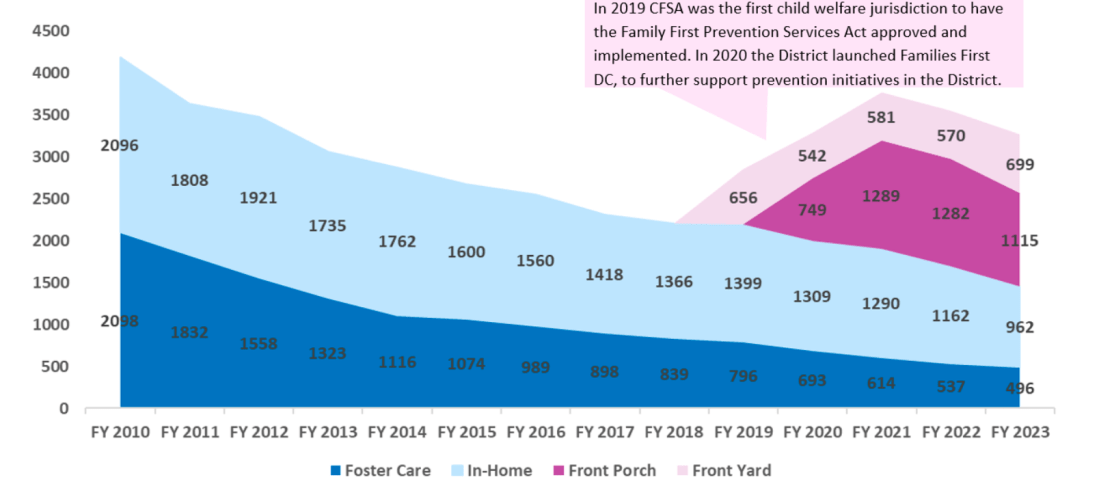
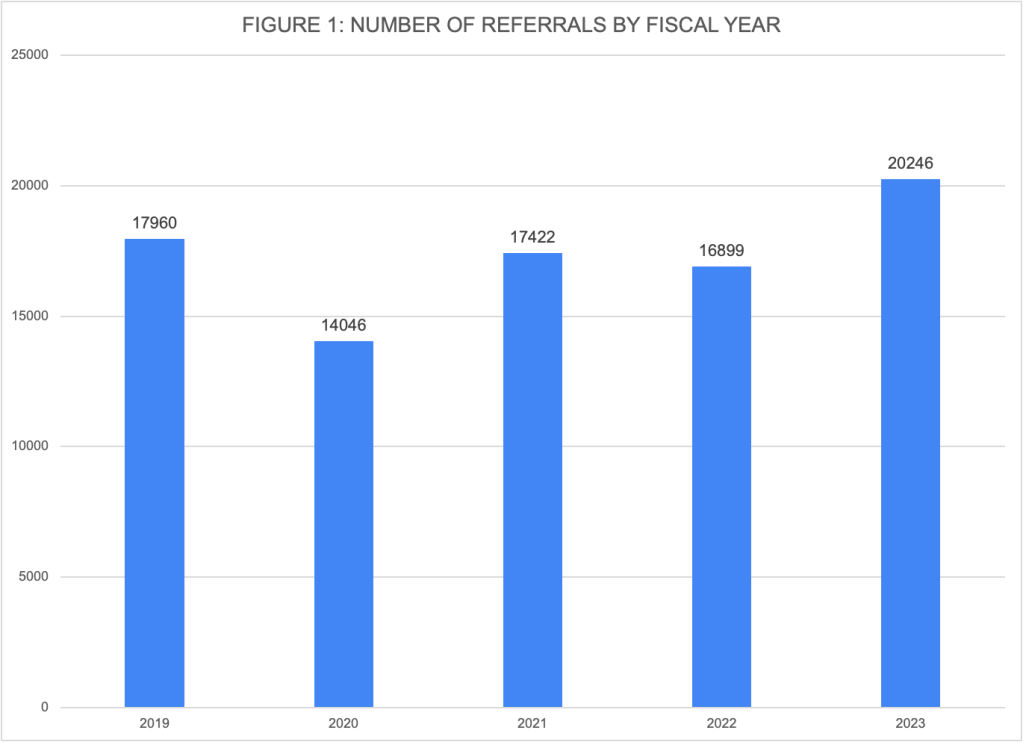


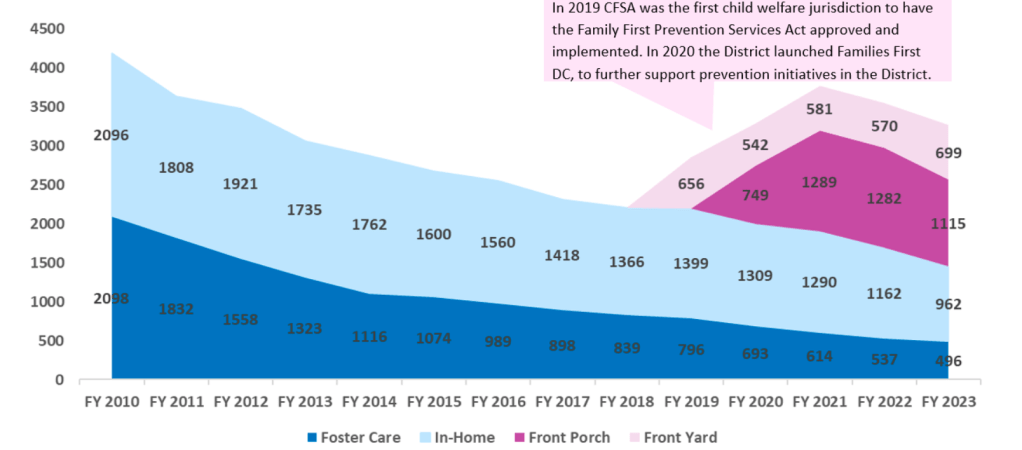


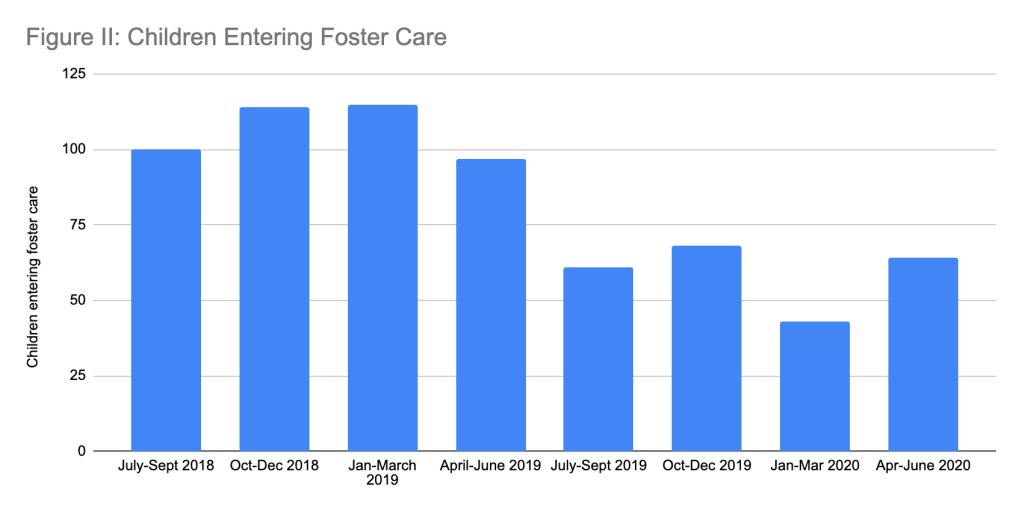
 Social distancing is essential to break the back of the coronavirus pandemic. But for children who are at risk of abuse and neglect, social distancing can mean being cut off from the people who might see and report their situation. The District’s Child and Family Services Agency (CFSA), like other agencies around the country, has recognized the problem. However, its response should be strengthened in order to check in with isolated children before schools close on May 29.
 The annual oversight hearing on the Child and Family Services Agency took place on February 12, 2020. The hearing lasted over six hours and covered a wide variety of topics and perspectives. The testimony painted a mixed picture of considerable progress along with continuing concern about major issues including the availability of placements meeting the needs of some of the more difficult-to-serve clients. Much of the testimony centered around CFSA’s
  Child Welfare Monitor DC